Mastering the Fit: Your Comprehensive Size Guide
Achieving the perfect silhouette for your bespoke business suit or tailored shirt begins with accurate measurements. At Savile Row Tailors, we understand that precision is paramount. This guide will walk you through the essential steps to take your measurements, ensuring an impeccable fit that reflects your stature and style. Whether you are visiting us in person or preparing for your remote consultation, understanding these measurements is key to the bespoke experience.
Accurate Body Measurements for Suits & Shirts
Taking precise measurements is an art. We recommend having a trusted friend or family member assist you, as some measurements are difficult to take accurately on your own. Ensure the tape measure is held snug against the body, but not tight enough to constrict. Avoid wearing bulky clothing; a thin shirt is ideal. Remember, these are body measurements, not garment measurements.
Suit Measurements Guide
For suits, we focus on the key dimensions that define the structure and drape of the jacket and trousers.
Jacket Measurements
- Neck Circumference: Measure around the base of your neck, just above the collarbone.
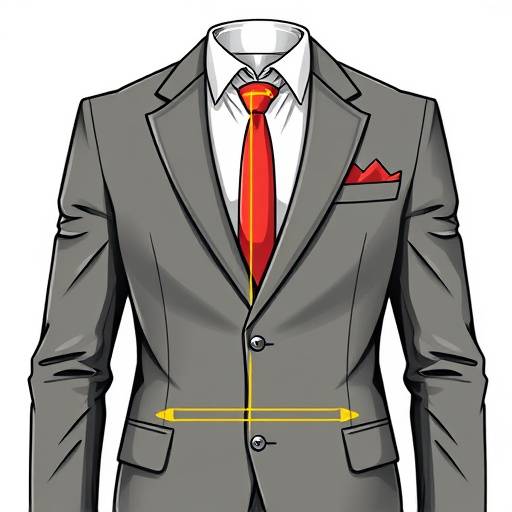
- Chest Circumference: Measure around the fullest part of your chest, keeping the tape measure level under your arms and across your shoulder blades.
- Waist Circumference: Measure around your natural waistline, typically at the level of your navel. For suits, this is usually where your trousers sit comfortably.
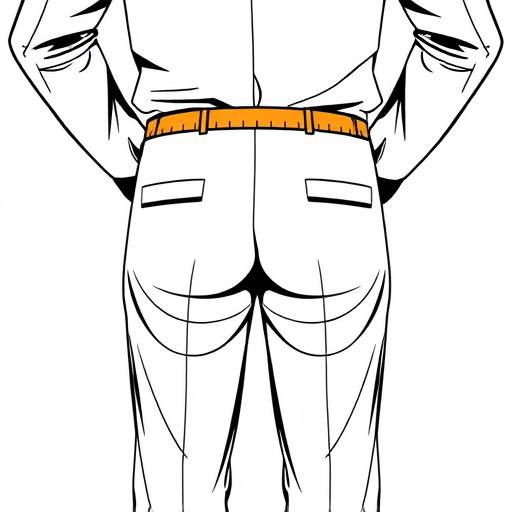
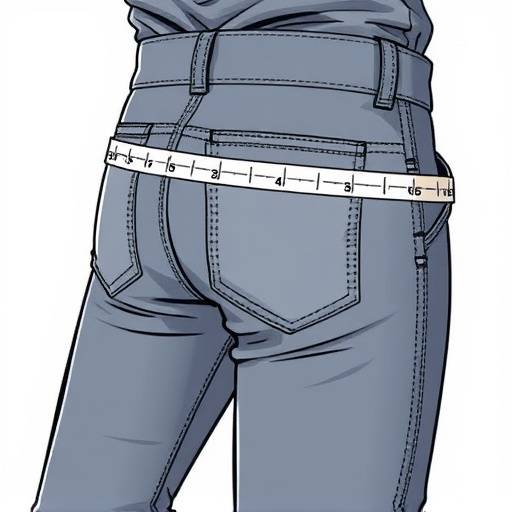
- Seat (Hips) Circumference: Measure around the fullest part of your hips and buttocks.
- Shoulder Width (Front & Back): Measure from the edge of one shoulder bone to the edge of the other. For a more precise measure, you can measure from the shoulder seam on one side to the shoulder seam on the other while wearing a well-fitting shirt.
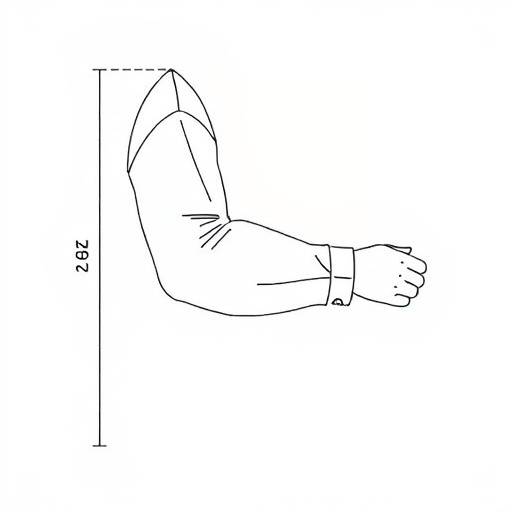
- Sleeve Length: Measure from the shoulder bone down to your desired cuff length. A common point is the knuckle of your thumb or the wrist bone.
- Jacket Length: Measure from the base of your neck (where the collar would sit) down to the desired length of the jacket hem.
- Bicep Circumference: Measure around the fullest part of your bicep.
- Wrist Circumference: Measure around your wrist bone.
Trouser Measurements
- Waist (Trouser): Measure where you prefer your trousers to sit – this may be higher or lower than your natural waist.
- Seat (Hips): Measure around the fullest part of your hips and buttocks.
- Thigh Circumference: Measure around the fullest part of your thigh, just below the crotch.
- Knee Circumference: Measure around your knee.
- Calf Circumference: Measure around the fullest part of your calf.
- Inseam: Measure from the crotch down to the desired hem length of your trousers along the inside of your leg.
- Outseam: Measure from your preferred trouser waistline down to the desired hem length along the outside of your leg.
- Front Rise: Measure from the crotch seam to the top of your preferred waistband at the front.
- Back Rise: Measure from the crotch seam to the top of your preferred waistband at the back.
Shirt Measurements Guide
For shirts, the focus is on comfort and a refined drape that complements your suit.
- Neck Circumference: As with suits, measure around the base of your neck. This ensures your collar is comfortable.
- Chest Circumference: Measure around the fullest part of your chest.
- Waist Circumference: Measure around your natural waistline.
- Shoulder Width: Measure from the edge of one shoulder bone to the edge of the other.
- Sleeve Length: Measure from the shoulder bone to your wrist bone.
- Cuff Circumference: Measure around your wrist bone where the cuff will sit.
- Shirt Length: Measure from the base of the neck (where the collar would sit) down to the desired hem length.
- Armhole Circumference: Measure around the circumference of your armhole.
- Forearm Circumference: Measure around the fullest part of your forearm.
Visual Aid Representation: Imagine a series of clear line drawings or diagrams. One diagram shows a person standing straight, with a tape measure illustrating the chest circumference around the widest point, passing under the arms. Another shows the waist measurement taken at the navel. A third diagram focuses on the shoulder width, indicating measurement points from bone to bone across the back. For sleeve length, an illustration would show the tape measure extending from the shoulder bone down to the wrist. Trouser measurements would include a diagram of the inseam from crotch to hem along the inside leg, and the outseam from the waist to hem along the outside leg.
Bespoke vs. Off-the-Rack: Understanding the Difference
The foundation of perfect tailoring is accurate measurement. For our bespoke suits , these measurements are the starting point for a garment pattern uniquely crafted for you, allowing for unparalleled customization and fit. For our off-the-rack collection , understanding your key measurements helps you select the size that will require the least alteration, ensuring a polished look.
Suit Measurement Size Chart
Below is a guide to common measurements and their corresponding sizes. Please note that this is a general reference; your bespoke consultation will determine the precise fit.
| Measurement | Unit | Size 36 (S) | Size 38 (M) | Size 40 (L) | Size 42 (XL) | Size 44 (XXL) |
|---|---|---|---|---|---|---|
| Chest Circumference | Inches | 36" | 38" | 40" | 42" | 44" |
| Chest Circumference | Centimeters | 91.4 cm | 96.5 cm | 101.6 cm | 106.7 cm | 111.8 cm |
| Waist Circumference | Inches | 30" | 32" | 34" | 36" | 38" |
| Waist Circumference | Centimeters | 76.2 cm | 81.3 cm | 86.4 cm | 91.4 cm | 96.5 cm |
| Shoulder Width | Inches | 17.5" | 18" | 18.5" | 19" | 19.5" |
| Shoulder Width | Centimeters | 44.5 cm | 45.7 cm | 47 cm | 48.3 cm | 49.5 cm |
| Sleeve Length | Inches | 24.5" | 25" | 25.5" | 26" | 26.5" |
| Sleeve Length | Centimeters | 62.2 cm | 63.5 cm | 64.8 cm | 66.0 cm | 67.3 cm |
| Jacket Length | Inches | 29" | 30" | 31" | 32" | 33" |
| Jacket Length | Centimeters | 73.7 cm | 76.2 cm | 78.7 cm | 81.3 cm | 83.8 cm |
| Trouser Inseam (Standard) | Inches | 30" | 31" | 32" | 33" | 34" |
| Trouser Inseam (Standard) | Centimeters | 76.2 cm | 78.7 cm | 81.3 cm | 83.8 cm | 86.4 cm |
| Trouser Waist (to fit general size) | Inches | 30"-32" | 32"-34" | 34"-36" | 36"-38" | 38"-40" |
| Trouser Waist (to fit general size) | Centimeters | 76-81 cm | 81-86 cm | 86-91 cm | 91-96 cm | 96-101 cm |
Shirt Measurement Size Chart
Shirt sizing is often based on collar size and a general chest fit.
| Collar Size (Inches) | Collar Size (CM) | Chest (Inches) | Chest (CM) | Sleeve Length (Inches) | Sleeve Length (CM) |
|---|---|---|---|---|---|
| 14 - 14.5 | 36 - 37 | 34 - 36 | 86 - 91 | 32 - 33 | 81 - 84 |
| 15 - 15.5 | 38 - 39 | 37 - 39 | 94 - 99 | 33 - 34 | 84 - 86 |
| 16 - 16.5 | 40 - 42 | 40 - 42 | 102 - 107 | 34 - 35 | 86 - 89 |
| 17 - 17.5 | 43 - 44 | 43 - 45 | 109 - 114 | 35 - 36 | 89 - 91 |
| 18 - 18.5 | 46 - 47 | 46 - 48 | 117 - 122 | 36 - 37 | 91 - 94 |
Key Considerations for a Perfect Fit
- Comfort is Key: While a sharp look is essential, never compromise on comfort. Your suit and shirts should allow for ease of movement.
- Posture Matters: Stand naturally and as you normally would when taking measurements. Our tailors will account for your natural posture.
- Fabric and Style: Different fabrics and suit styles can influence the way a garment drapes. Discuss your preferences with your tailor.
- Trousers: The break of your trousers (how they fall on your shoes) is a crucial detail that can be adjusted during the fitting process.
- Sleeve Pitch: This refers to the angle of the sleeve in relation to the body, which impacts how the sleeve hangs and moves with your arm.
Accessibility and Responsive Design
At Savile Row Tailors, we are committed to providing an inclusive and seamless experience for all our clients. Our website is designed with Web Content Accessibility Guidelines (WCAG) 2.1 AA standards in mind, ensuring it is perceivable, operable, understandable, and robust for individuals with disabilities. This includes providing descriptive alt text for all images, ensuring sufficient color contrast, and using semantic HTML for screen reader compatibility. Aria-labels are implemented where necessary for enhanced navigation. Furthermore, our website employs a mobile-first, responsive design strategy. This means the layout and content fluidly adapt to any screen size, from large desktop monitors to smaller mobile devices, ensuring optimal viewing and interaction regardless of the technology used.